A Plea to the Reader of Classic Literature

Why the Independent Human Author Is Disappearing—and What You Can Do

I. The Flood There is a flood upon the literary world, and it does not smell of river water. It smells of nothing at all—which is, perhaps, the most accurate description of what machine-generated prose brings to the page: a vast, odorless, grammatical nothing. I am an independent author of literary historical fiction. I write

Why the Independent Human Author Is Disappearing—and What You Can Do Read More »

The Chapter That Wrote Itself

The Chapter That Wrote Itself

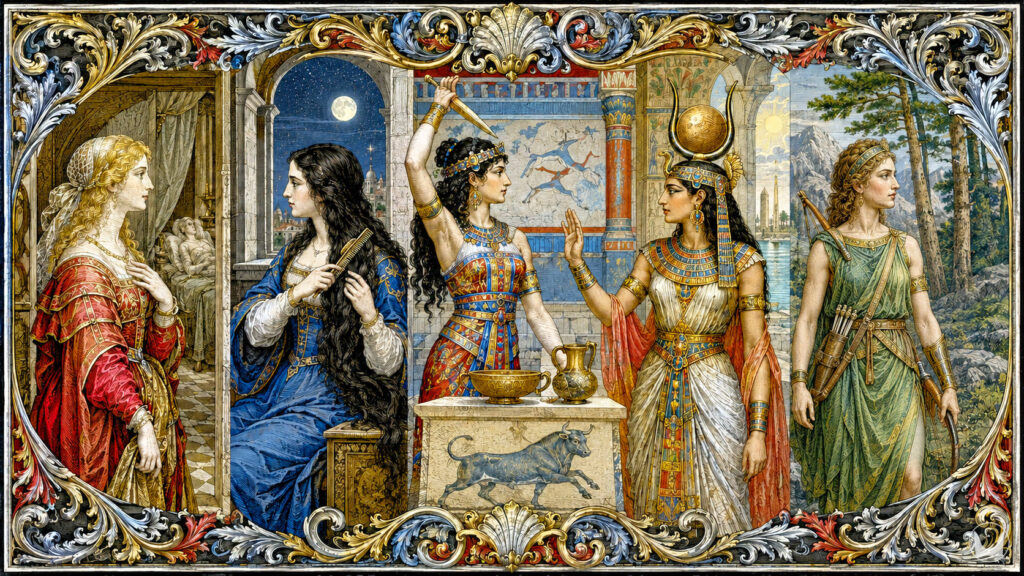
The Pressure That Broke By Chapter Eighteen of Asterios and the Labyrinth, I had been sustaining a level of emotional intensity that left even me—its author—in need of air. The novel had given romance, court intrigue, mythic sorceresses, Bronze Age siege warfare, and personal violation. Every scene carried weight. The narrative engine had been running

The Chapter That Wrote Itself Read More »

What Mary Renault Got Right That Most Historical Novelists Still Miss

What Mary Renault Got Right That Most Historical Novelists Still Miss

There is a sentence I keep returning to when I think about how to write the ancient world: a writer must disappear into it, not explain it from the outside. Mary Renault understood this better than almost anyone who has written historical fiction in English, and most novelists who have come after her, myself included, are

What Mary Renault Got Right That Most Historical Novelists Still Miss Read More »

Powered By EmbedPress

Powered By EmbedPress

Powered By EmbedPress