I Did Not Invent the Gods

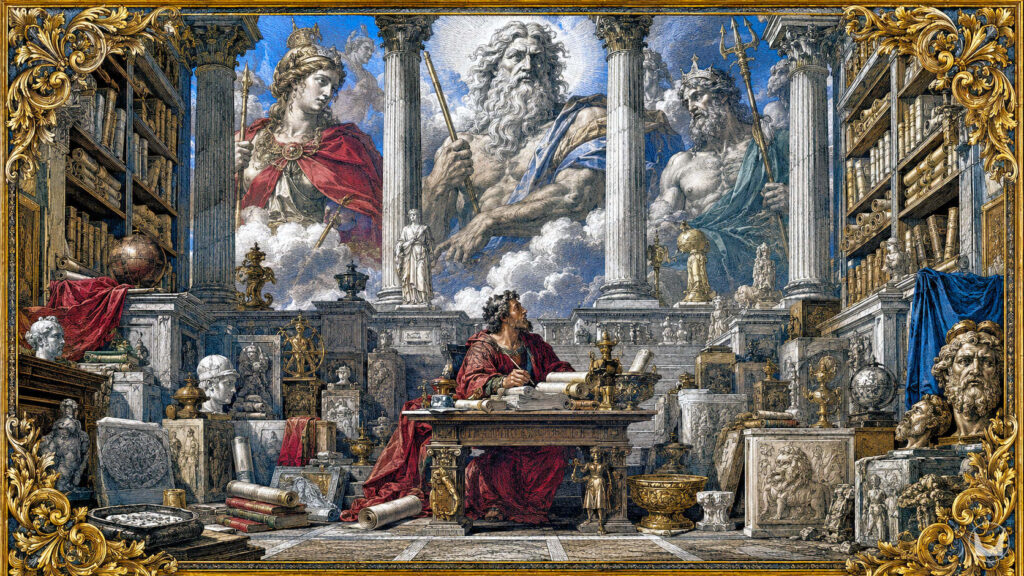
On the difference between historical fiction with mythological elements and historical fantasy—and why the distinction matters I. A Question of Ontology This is the governing principle of my fiction, and it took me some years to articulate it: I do not write the ancient or Renaissance world as we understand it. I write it as

I Did Not Invent the Gods Read More »

The Chapter That Wrote Itself

The Chapter That Wrote Itself

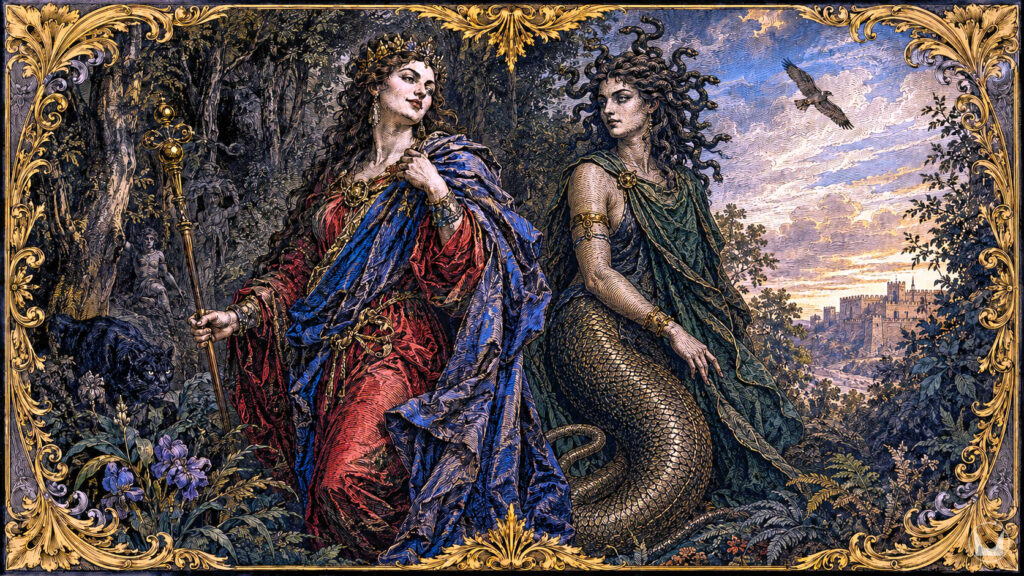
The Pressure That Broke By Chapter Eighteen of Asterios and the Labyrinth, I had been sustaining a level of emotional intensity that left even me—its author—in need of air. The novel had given romance, court intrigue, mythic sorceresses, Bronze Age siege warfare, and personal violation. Every scene carried weight. The narrative engine had been running

The Chapter That Wrote Itself Read More »

Five Things Cortona Taught Me About Writing Sense of Place

Five Things Cortona Taught Me About Writing Sense of Place

There is a difference between visiting a place and being taught by it. Tourism gives you impressions. Fieldwork—the kind that involves returning in different seasons, taking measurements, sitting alone in churches until the silence becomes uncomfortable—gives you something harder to name and more difficult to acquire: an understanding of how a place works upon a

Five Things Cortona Taught Me About Writing Sense of Place Read More »

Rio de Janeiro and the Bronze Age: Writing Ancient Worlds from a Modern City

Rio de Janeiro and the Bronze Age: Writing Ancient Worlds from a Modern City

I can offer no other explanation: I close my eyes and travel. The ancient Mediterranean worlds of the tales I write lie some 9,600 kilometers from my writing desk in Rio de Janeiro, and yet, in the solitude of the working hours—the cell phone on mute, the tropical city going about its business beyond the

Rio de Janeiro and the Bronze Age: Writing Ancient Worlds from a Modern City Read More »

Reading Like a Novelist: What I Look for in Other People's Books

Reading Like a Novelist: What I Look for in Other People’s Books

There are readers, and there are novelist-readers. The two experiences are not the same. A reader surrenders to the story; a novelist-reader surrenders and watches himself surrendering, noting every mechanism that eases or impedes the fall. I cannot pick up another author’s book without half my mind standing apart, pencil in hand—not exactly to judge,

Reading Like a Novelist: What I Look for in Other People’s Books Read More »

Powered By EmbedPress

Powered By EmbedPress

Powered By EmbedPress