The Problem of the Villain Who Does Not Know He Is One

The Problem of the Villain Who Does Not Know He Is One

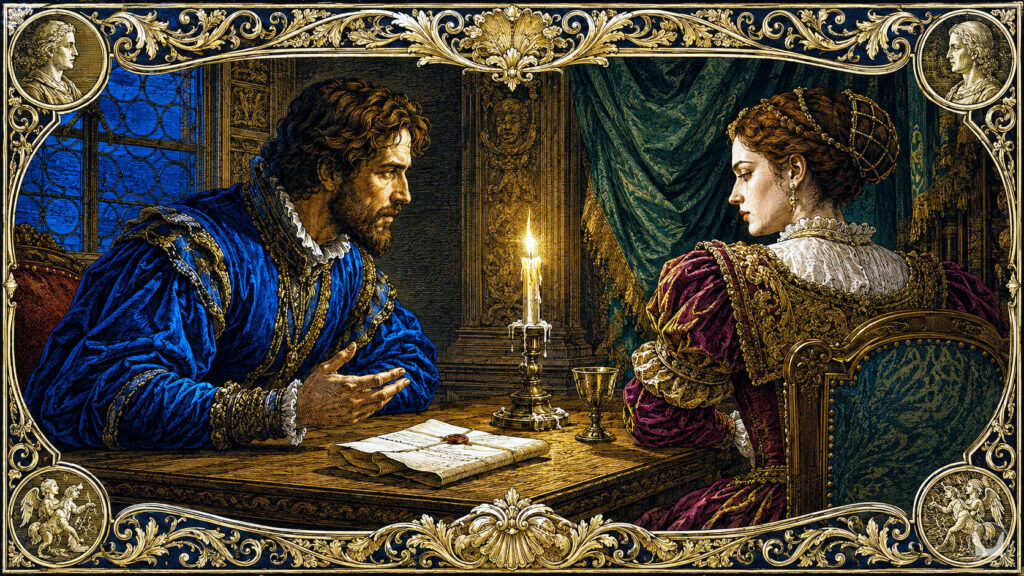
On antagonists who operate from a coherent internal logic and whether historical fiction can afford a pure villain. There is a kind of antagonist who appears in lesser historical fiction with reassuring frequency: the man who enjoys being cruel, who oppresses because oppression pleases him, whose motives require no further excavation, as the author has […]

The Problem of the Villain Who Does Not Know He Is One Read More »

Book Recommendations

Six Novels to Read in July 2026

Six novels this month—two Brazilian, four from the European tradition—all concerned with what society does to people who fall outside its sanctioned arrangements.   Tess of the d’Urbervilles: A Pure Woman (1891), Thomas Hardy Tess Durbeyfield is a farmer’s daughter whose family, learning of a distant, probably fictional connection to the ancient d’Urberville name, sends

Six Novels to Read in July 2026 Read More »

Why Choose 100% Human Authors: Dialogue That Reports Rather Than Reveals

Why Choose 100% Human Authors: Dialogue That Reports Rather Than Reveals

Why Does AI Writing Give Its Characters Lines Instead of Voices? This is Essay 20 of 22 in the series Why Choose 100% Human Authors, addressed to readers who want to understand what a human author does that a machine cannot and why that difference matters to the experience of literary fiction. The Test There is

Why Choose 100% Human Authors: Dialogue That Reports Rather Than Reveals Read More »

Powered By EmbedPress

Powered By EmbedPress

Powered By EmbedPress